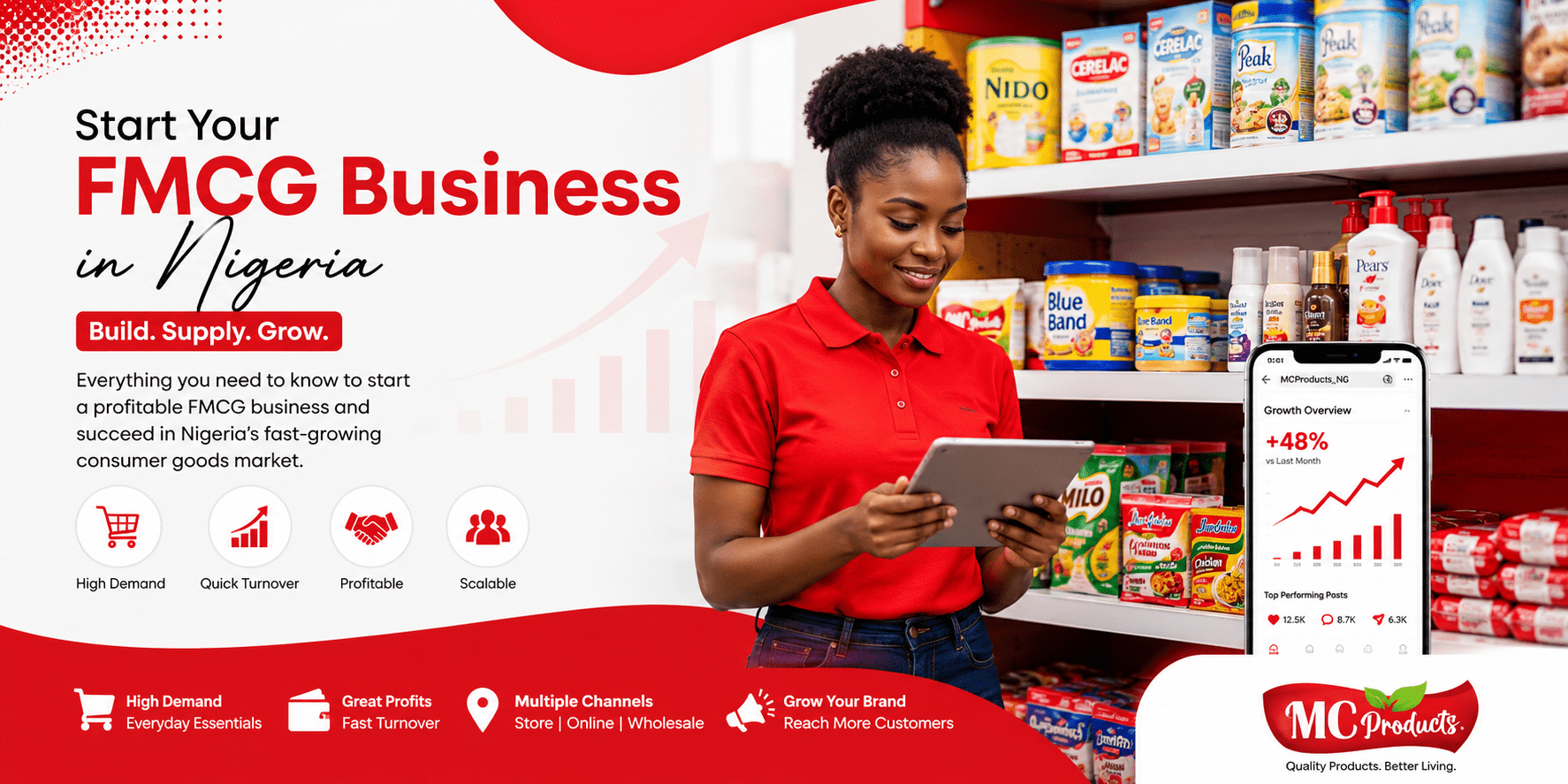
The Fast-Moving Consumer Goods (FMCG) sector is one of the most profitable and resilient industries in Nigeria. Everyday products like food items, personal care products, and household essentials are always in demand, making FMCG a great business opportunity for entrepreneurs looking to build a sustainable income.
If you’re considering starting an FMCG business in Nigeria, here’s a simple and practical guide to help you get started.
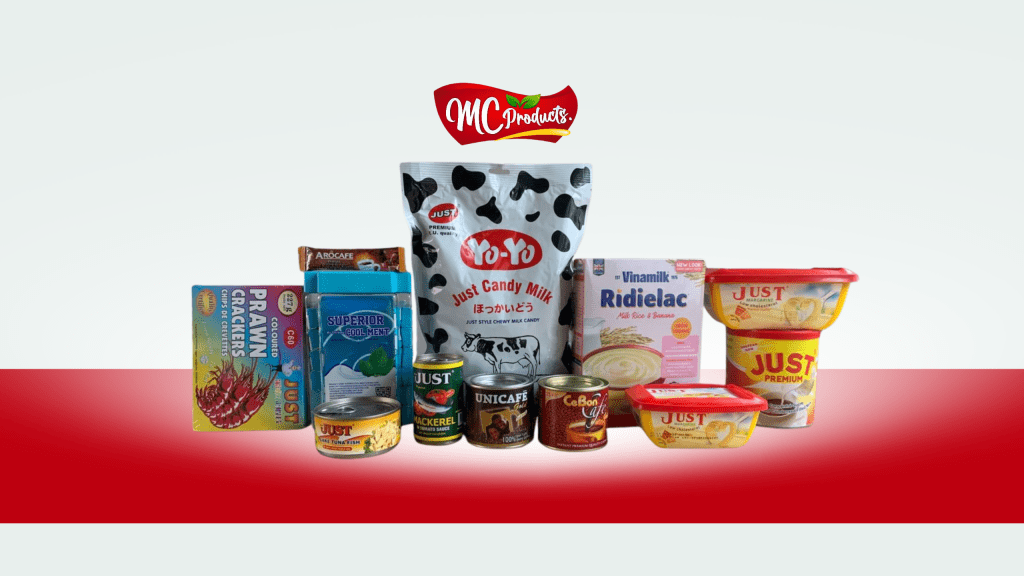
1. Understand the FMCG Market
Before jumping in, take time to study the market.
FMCG products are items that sell quickly at relatively low cost. In Nigeria, high-demand categories include:
- Food and beverages (rice, canned goods, cereals)
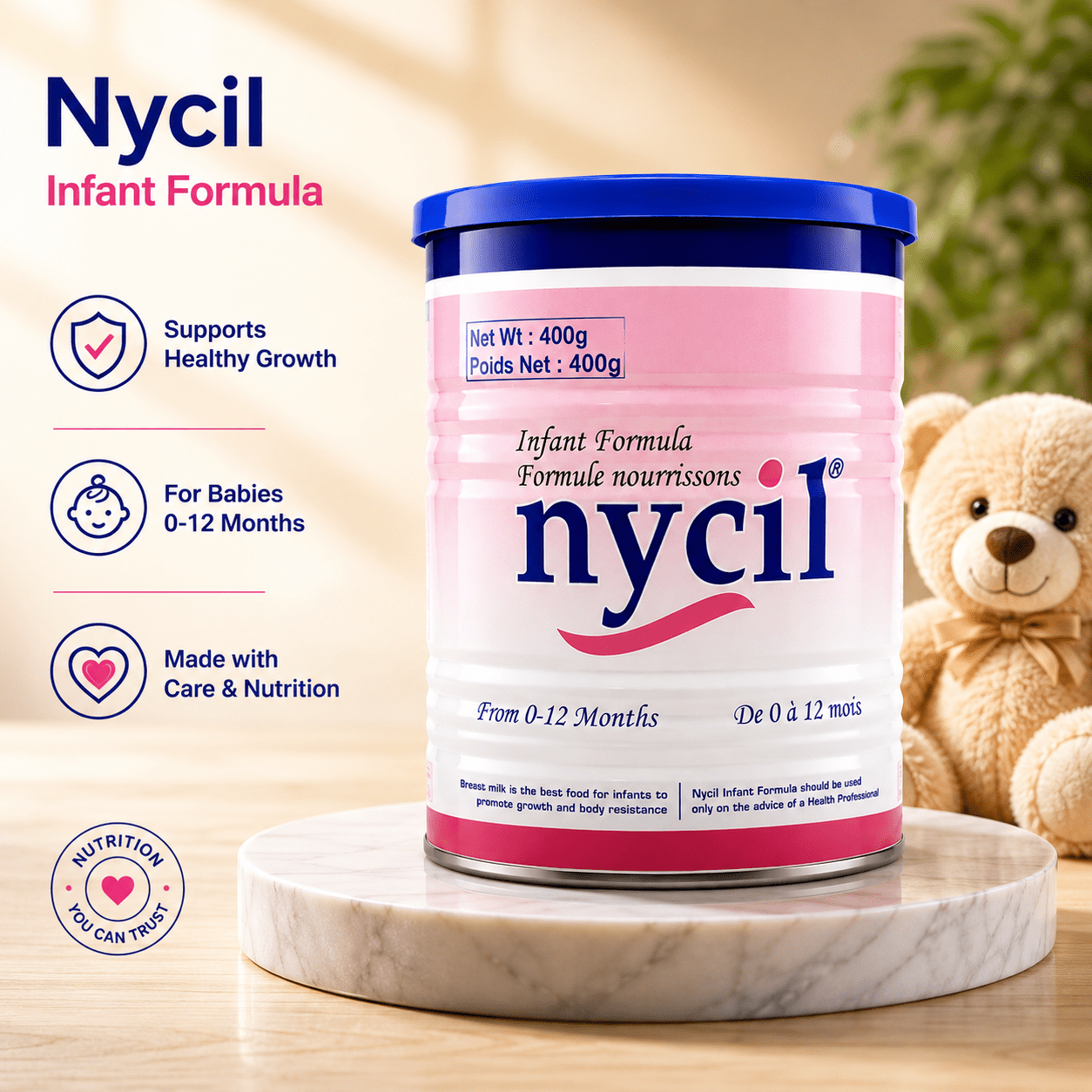
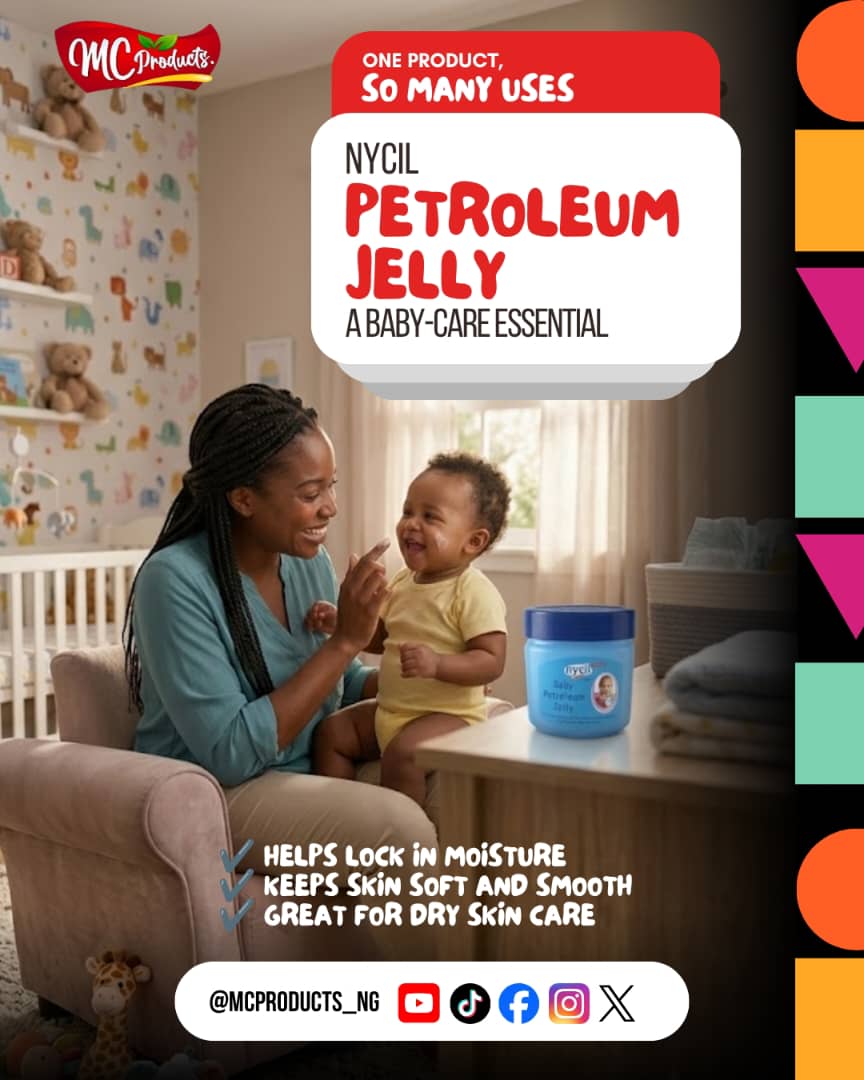
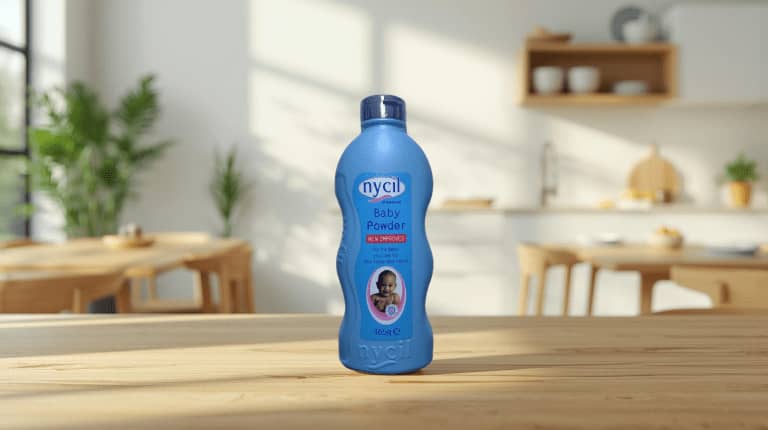
- Baby products (baby food, oils, powders)
- Personal care (soaps, lotions, creams)
- Household items (detergents, disinfectants)
What to do:
- Identify what products are in high demand in your area
- Study competitors and pricing
- Understand customer preferences
2. Choose Your Business Model
There are different ways to enter the FMCG space. Choose what works best for your budget and goals.
Common options:
- Retailing: Selling directly to consumers
- Wholesale/Distribution: Supplying to retailers
- Importation: Bringing in products from abroad
- Private Labeling: Branding your own products
If you’re starting small, retail or mini-distribution is a great entry point.
3. Register Your Business
To operate professionally and build trust, register your business with the Corporate Affairs Commission (CAC).
Benefits:
- Legitimacy
- Access to partnerships
- Ability to open a corporate bank account
4. Find Reliable Suppliers
Your suppliers determine your product quality and consistency.
Tips:
- Work with verified manufacturers or distributors
- Ensure products are NAFDAC-approved
- Negotiate bulk pricing to increase profit margins
5. Secure Capital
Starting an FMCG business doesn’t always require huge capital, but you need enough to stock products and manage operations.
Funding options:
- Personal savings
- Family/friends
- Cooperative societies
- Small business loans
Start small and scale gradually.
6. Choose a Strategic Location
Location is key, especially for retail businesses.
Ideal locations:
- Busy streets
- Markets
- Residential areas
- Near schools or offices
If you’re going digital, focus on logistics and delivery efficiency.
7. Build Your Sales Channels
Don’t rely on just one sales channel.
Combine:
- Physical store
- WhatsApp selling
- Instagram and Facebook marketing
- Online marketplaces
The more accessible you are, the more sales you generate.
8. Focus on Marketing and Branding
Many FMCG businesses fail not because of poor products, but poor visibility.
What to do:
- Use social media consistently
- Run promotions and discounts
- Collaborate with micro-influencers
- Encourage customer reviews
- Create engaging content (videos, testimonials, lifestyle shots)
9. Manage Inventory and Cash Flow
FMCG is a fast-moving business, so proper inventory management is critical.
Key practices:
- Track fast-selling products
- Avoid overstocking slow-moving items
- Monitor daily sales
- Reinforce best-performing products
10. Build Customer Relationships
Repeat customers are the backbone of FMCG success.
How to retain customers:
- Offer excellent customer service
- Respond quickly to inquiries
- Provide consistent product availability
- Reward loyal customers
11. Scale Your Business
Once you gain stability, look for ways to expand.
Growth strategies:
- Become a distributor for bigger brands
- Open additional outlets
- Launch your own branded products
- Partner with supermarkets and retailers
Conclusion
Starting an FMCG business in Nigeria is a smart move due to the constant demand for everyday products. With the right strategy, consistency, and customer-focused approach, you can build a profitable and scalable business. The key is to start small, stay consistent, and continuously improve your marketing and sales efforts.
Want to buy in bulk or become a distributor?
Click here to Become a Distributor or visit our product page to order now and bring healthy, delicious meals to your table or customers.